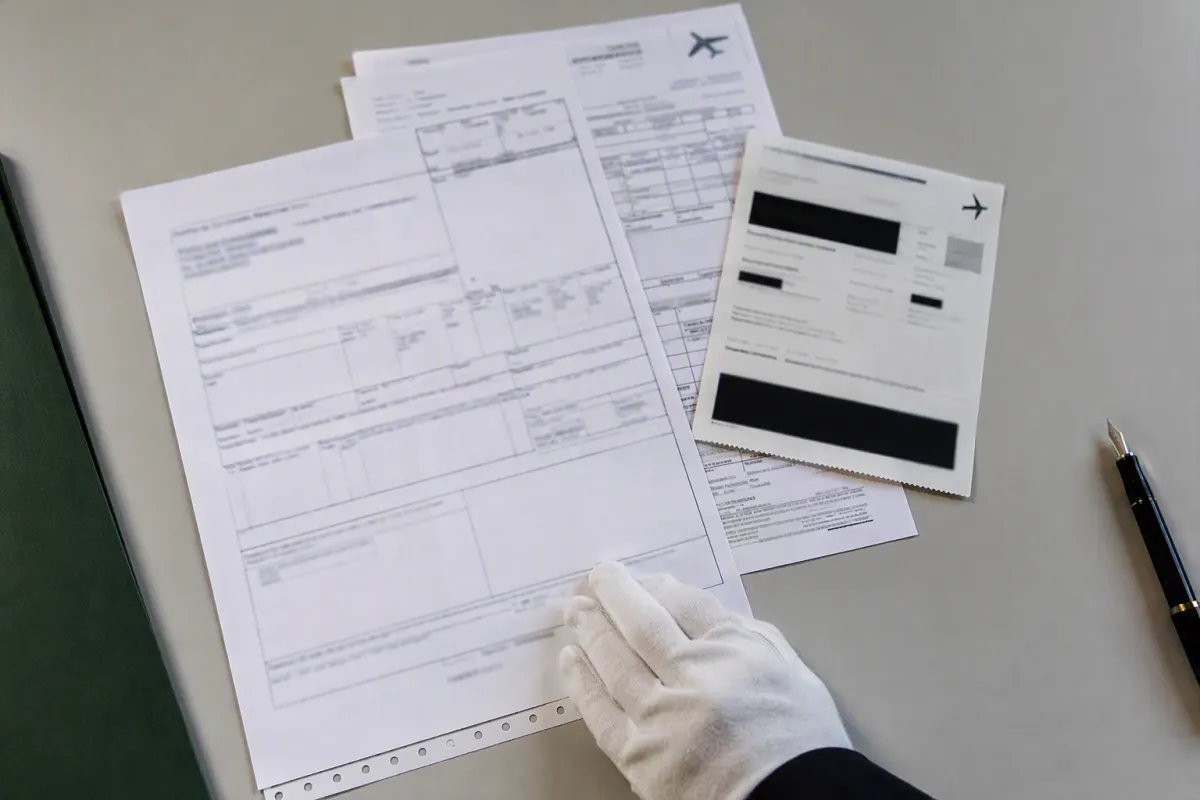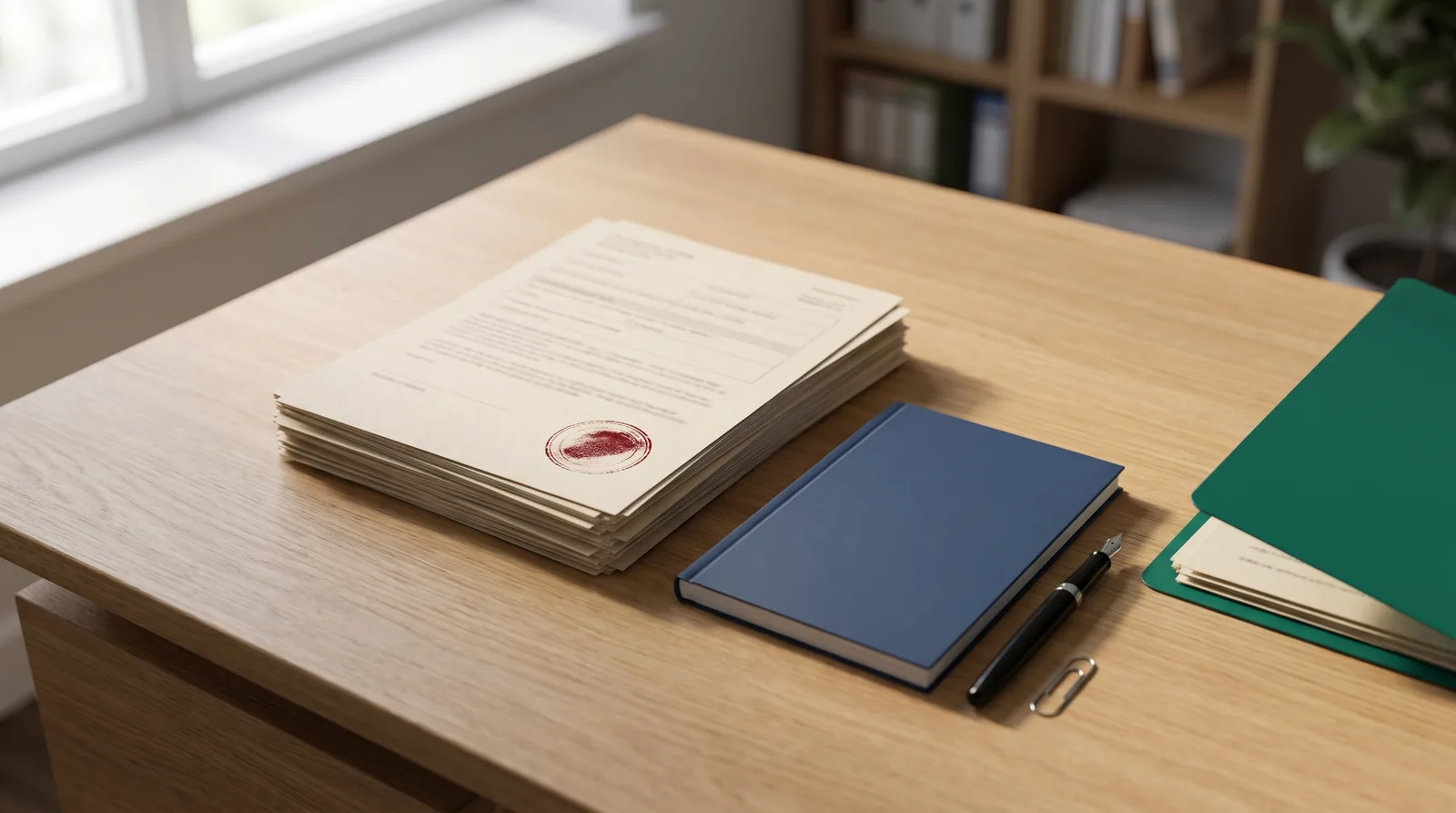

The corpse passport (Leichenpass) is the document without which no deceased person can be transported abroad in a coffin. Many families first hear the word when they are told, “We are still waiting for the corpse passport.” This article explains what it is, who issues it, which documents are needed and where things tend to get held up in practice.
What the corpse passport is
The corpse passport goes back to the Berlin Agreement on the Transport of Corpses of 1937. Under its Article 1, every transport of a body requires a special passport. It contains at least the surname, first name and age of the deceased, and the place, date and cause of death. The agreement recommends issuing it in an internationally used language as well as the national language; in Germany it is issued in several languages.
It accompanies the deceased throughout the transport and is presented at border and customs checks.
When it is needed
- Transport abroad in a coffin: whenever the destination or a transit country requires it — in practice for almost every international repatriation.
- Transport to another German federal state: only if the law there requires it.
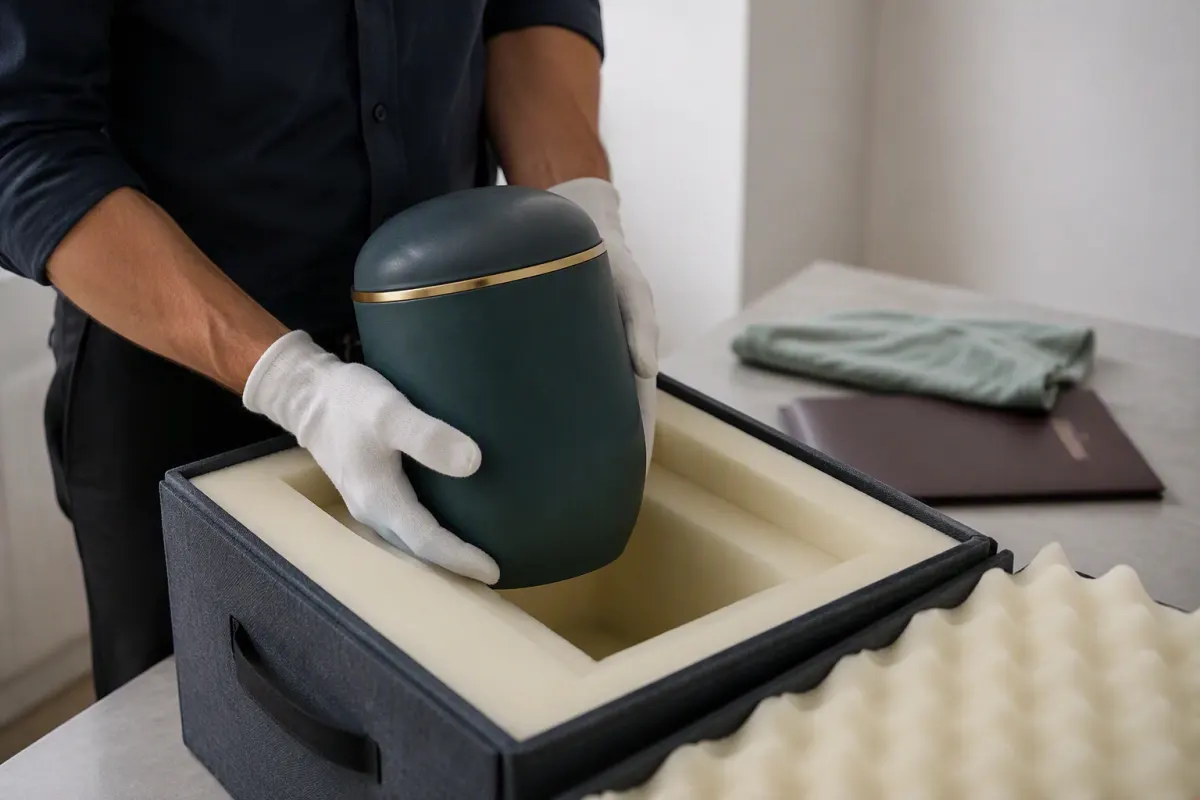
- Urn: not needed. Other documents apply to cremated remains.
Who issues it
This is a matter for the federal states, and responsibility varies. Two examples: in Bavaria, the corpse passport is issued by the municipality in which the transport begins; since 1 September 2025 municipalities can also offer online applications. In Brandenburg, the public health office of the district or independent city is responsible.
For families the takeaway is simple: leave the application to a funeral director who knows the local procedure.
Which documents are needed
The exact list depends on the federal state. Typically:
- medical certificate of death (Todesbescheinigung) — Bavaria, for example, requires a note from the registry office confirming registration of the death for transport abroad;
- registry office documents, usually the death certificate;
- coffining certificate or proof of the soldered zinc-lined coffin;
- release by the public prosecutor if the death was unnatural or unexplained;
- proof of a second examination of the body where state law requires it — in Brandenburg, for example, it is a prerequisite for the corpse passport;
- proof that burial is possible at the destination, required by some states such as Saxony-Anhalt.
More on the zinc-lined coffin in “Zinc-lined coffin for repatriation abroad”, and on the prosecutor’s release in “Why the body is not released”.
How long it takes and what it costs
Once all documents are in place, the authority usually issues the corpse passport promptly. Time is almost always lost beforehand: until the death is registered, until the prosecutor grants release, until an appointment for the second examination is found, or until proof arrives from the destination country.
Fees are set by the authorities themselves and therefore vary. Our fixed price includes the corpse passport and all dealings with the authorities.
Corpse passport and consulate: two different things
The corpse passport is a German document. The destination country’s consulate grants its own approval independently — and often requires the corpse passport to be ready first. The order therefore matters: registration and corpse passport first, then the consulate, then transport.
Common pitfalls
- Different spellings of the name. If the passport, death certificate and corpse passport transliterate a name differently — common with Cyrillic names — the consulate or border officials may raise queries. We align the spelling in advance.
- Registration postponed. If documents are missing for the registry office, such as foreign birth or marriage certificates, everything else is delayed.
- No release. Without the public prosecutor’s approval, no corpse passport is issued.
Frequently asked questions
Call us — we take care of the paperwork
Tell us where the person died and where they are to be taken. We will establish which authority is responsible, compile the documents and apply for the corpse passport. Around the clock, in English, German, Russian and Ukrainian.
- Call back within one hour
- Written fixed price within a few hours
- Around the clock, in four languages

A first conversation costs nothing and commits you to nothing.
This article reflects the published regulations and does not replace legal advice. Responsibilities and required documents vary between federal states.