
Burial types
Cremation
Cremation at a crematorium and interment of the urn. The cheaper and more flexible option — and the simpler route for a repatriation abroad.
At a glance
Cremation in brief
What is required before the cremation and which options open up afterwards.
Required before cremation in most federal states
Urn grave, columbarium, tree burial, sea burial or anonymous
An urn is lighter — transport costs about half
That is the share of cremations in Germany in the most recent survey — in 2019 it was 75 per cent. In Thuringia the figure reaches 96 per cent; North Rhine-Westphalia has the highest share of coffin burials at 32 per cent.
Source: RAL-Gütegemeinschaft Feuerbestattungsanlagen e.V., 2023 survey
Process
How it works
A cremation requires a slot at the crematorium and an additional clearance.
Collection and care
We collect the deceased. A coffin is required for the cremation — even where only the urn is later interred.
Second examination
In most federal states a second doctor must confirm the cause of death before cremation. Where the cause is unexplained, the public prosecutor’s release is added.
Cremation
The crematorium allocates a date. The ashes are placed in a capsule and documented with a cremation certificate.
Interment of the urn
Urn grave, columbarium, tree burial or sea burial — or repatriation of the urn abroad.
Many routes after the cremation
After a cremation more options are open than with any other burial type — from the classic urn grave to repatriation to the home country.
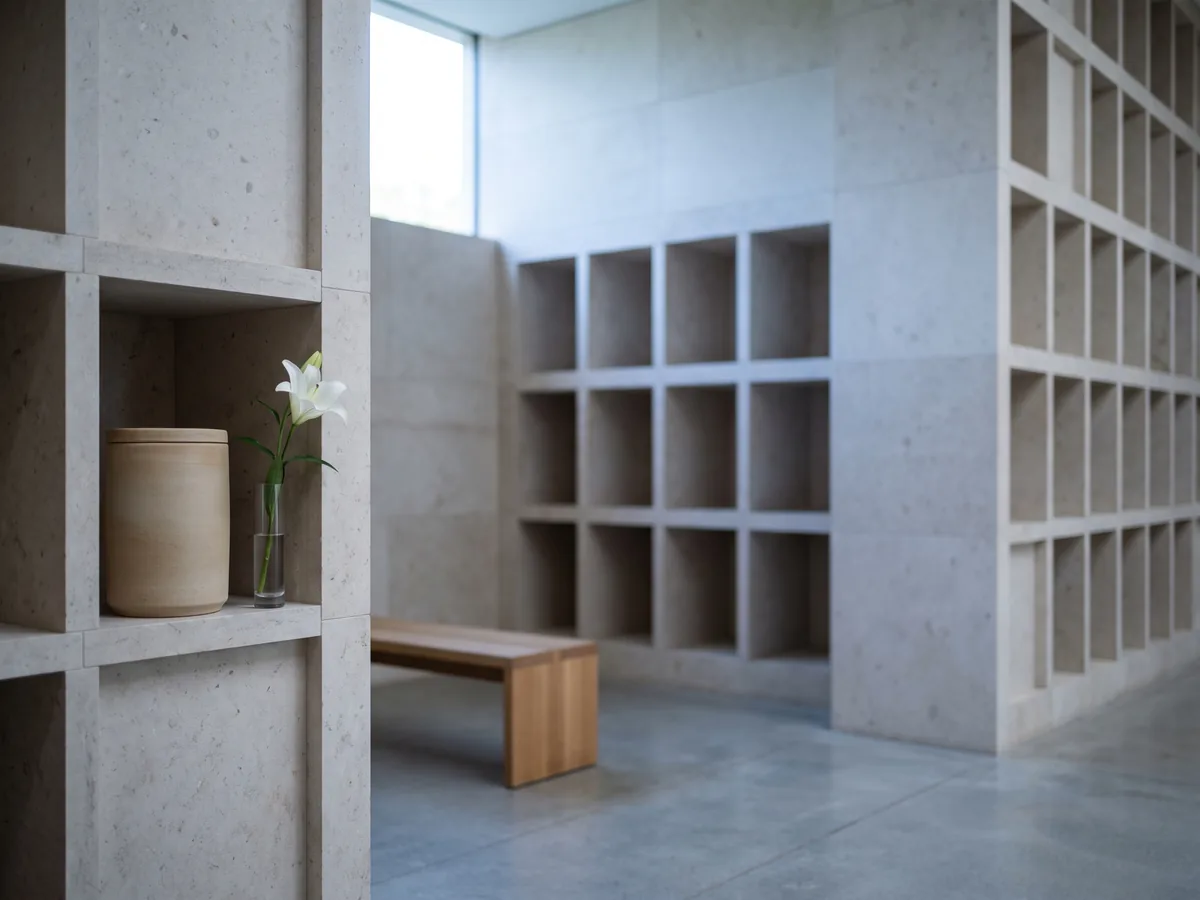
- Urn grave or a niche in a columbarium
- Tree burial in a memorial forest
- Sea burial in the North or Baltic Sea
- Repatriation of the urn abroad — considerably cheaper than in a coffin
Good to know
What you should know
An additional check before the cremation
The ashes may not be kept at home in Germany
Crematorium slot plus clearances — usually several days
Funeral director’s services, coffin for the cremation, crematorium fee, urn
Not permitted in Islam or Judaism; Orthodox churches are reserved
A cremation cannot be undone. Discuss the decision within the family and, where relevant, with a member of the clergy before instructing us.
After the cremation
Four grave forms for the urn
Which one is possible is decided by the cemetery or the provider — we clarify it in advance.
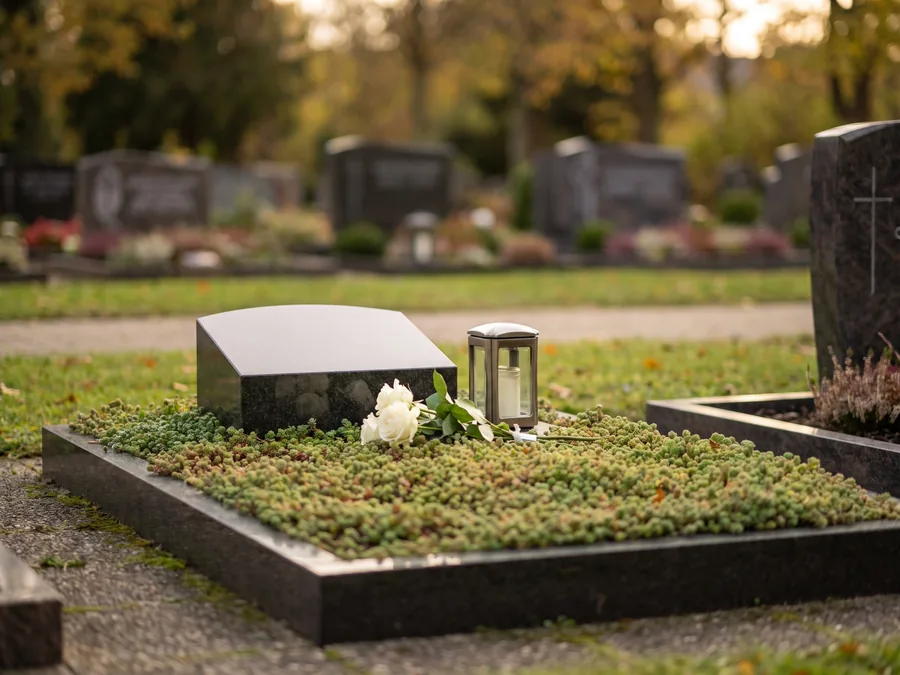
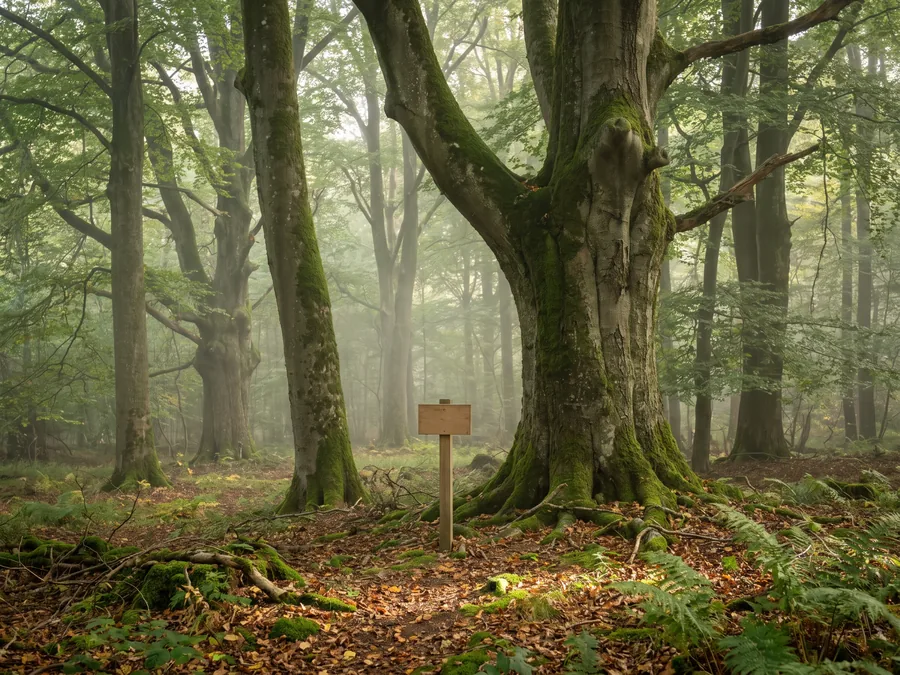
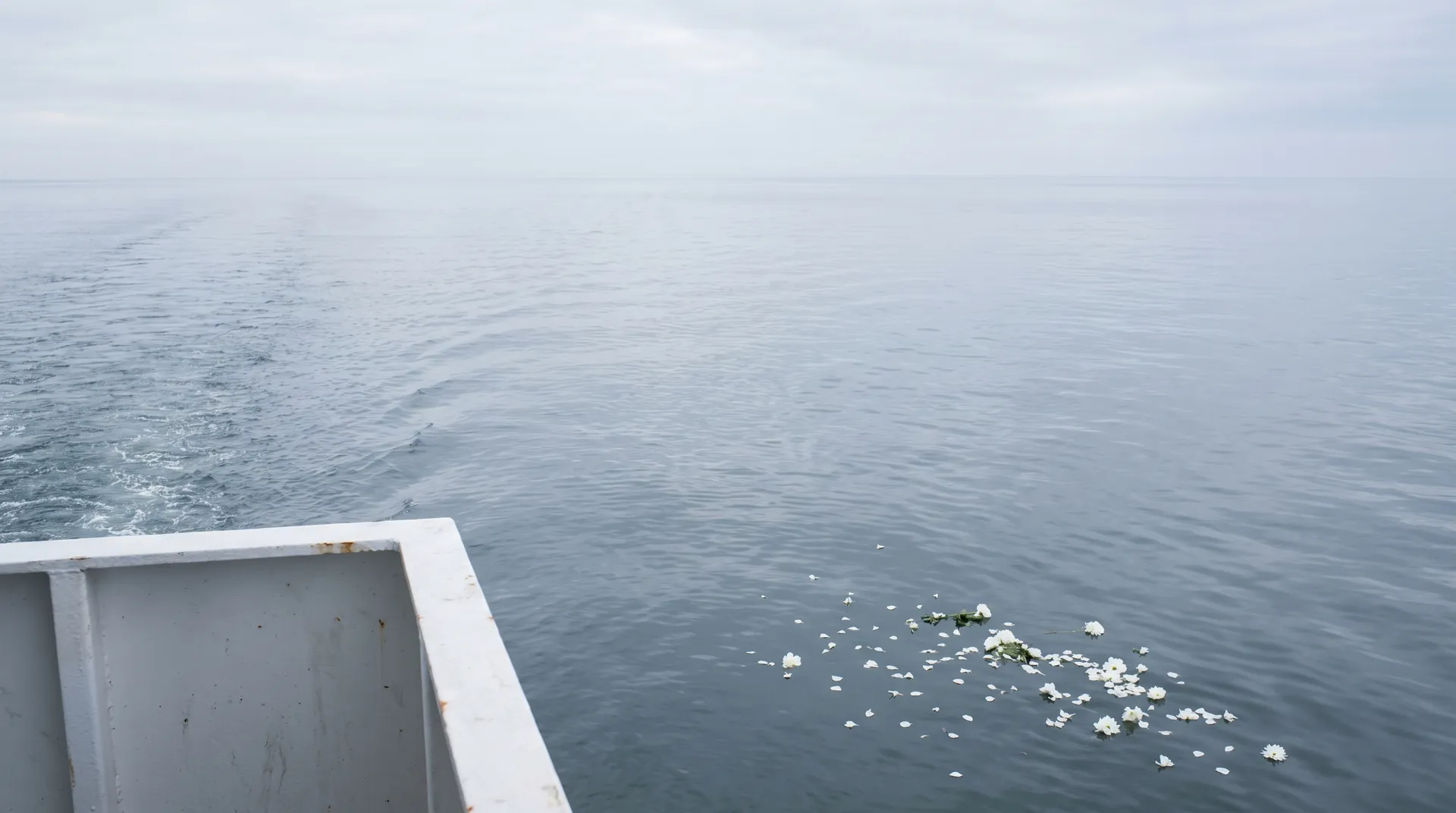
In addition there is urn repatriation abroad, where the interment is to take place in the home country.
Setting it straight
Four misconceptions about cremation
These four assumptions are the ones we hear most often — and they regularly lead to poor decisions.
“You don’t need a coffin for a cremation.”
Wrong. A coffin is required for the cremation — even where only the urn is interred afterwards. It is cremated with the deceased.
“The urn can be taken home.”
Not in Germany. Compulsory cemetery burial applies: the ashes must be interred at an approved place. Other countries have different rules.
“A cremation is quicker.”
Usually the opposite. The second examination and the crematorium slot take time. Do not fix the service until the cremation is confirmed.
“Ashes may be scattered anywhere.”
No. In Germany scattering is permitted only in a few exceptional cases, for example on designated scattering meadows at some cemeteries.
Comparison
The four burial types compared
Choose a type — the table shows what it means for the family.
Our focus
Urn repatriation abroad
For a repatriation abroad the urn is the simpler route: no zinc-lined coffin, no soldering, less weight, and the transport usually costs about half. Instead of a corpse passport, the death certificate and the cremation certificate are sufficient.
Frequently asked questions
What families ask us
Why is a second examination necessary?
Because nothing can be verified after a cremation. Most federal states therefore require a second doctor to confirm the cause of death before cremation is allowed.
May the urn be kept at home?
In Germany, as a rule, no. Compulsory cemetery burial applies: the ashes must be interred at a cemetery or another approved place.
Is cremation cheaper?
Usually yes, mainly because of lower grave costs and the absence of upkeep. The crematorium fee and the second examination are added, however.
How quickly can the cremation take place?
That depends on the crematorium slot and the clearances, usually several days. Do not fix a date for the service until it is confirmed.
Can the urn be brought to the home country?
Yes, and it is considerably simpler than a coffin repatriation. We clarify in advance which documents the destination country requires.
One call is enough
The first conversation is free and non-binding. We are available around the clock — in English, German, Russian and Ukrainian.